By automating infrastructure and using cloud-native services, organisations can scale systems up or down quickly as demand changes.

We design and engineer cloud and hybrid platforms that support real systems. Reliable foundations for applications, data and AI without unnecessary complexity.
Most delivery problems aren’t caused by applications. They’re caused by the platforms underneath them.
Our Cloud & Platform Engineering work focuses on building and maintaining cloud and hybrid foundations that make systems easier to run, change and govern. We design platforms that support applications, data and AI initiatives without getting in the way of delivery, growth, or control.

Cloud platforms only add value when they’re supporting the systems that let organisations move their bottom line.
That’s why we’ve always designed cloud and hybrid platforms with real workloads in mind: business applications, data platforms, integrations and automation. We start with how systems behave in practice, not how platforms look on diagrams.
The result is platforms that help your teams move faster and reduces friction, rather than introducing new layers of complexity.
Good platforms are built on strong, dependable (boring) foundations. Not boring because they lack ambition, but because they do their job quietly and reliably, without drawing attention to themselves.
We focus on identity and access, environment structure, networking, governance and operational standards before worrying about tooling choices.
It’s these foundations that shape everything that comes after, from security posture to cost control and delivery speed. That approach keeps platforms understandable, supportable and resilient over time.

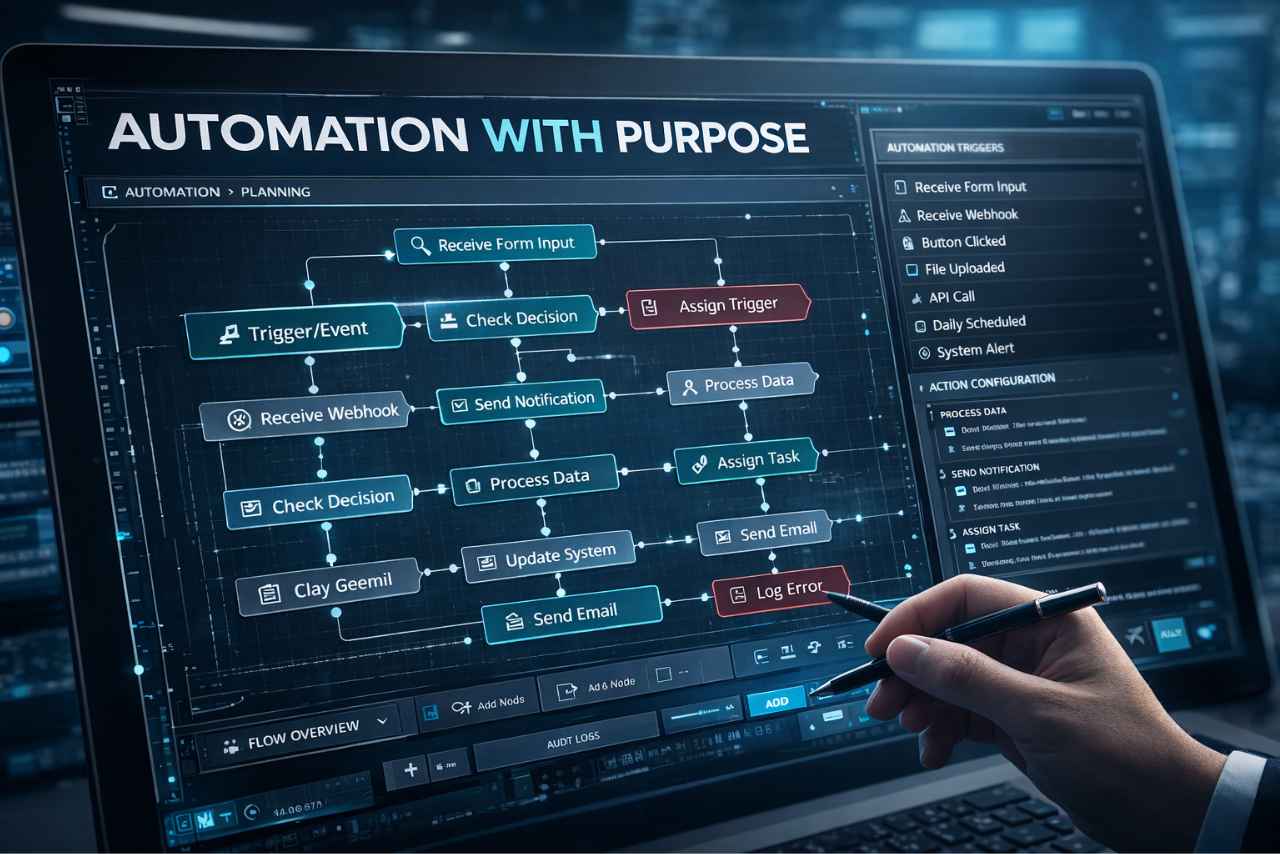
In our minds, automation only matters when it changes outcomes.
We use infrastructure and platform automation to improve reliability, repeatability and control. Not because it’s fashionable, or a buzzword, but because it reduces manual effort, lowers risk and improves consistency across environments.
Automation is treated as an engineering discipline, not a transformation programme.
Modern platforms need to be able to scale, recover and adapt without drama.
That’s why we design for resilience, scalability and operational control from the start.
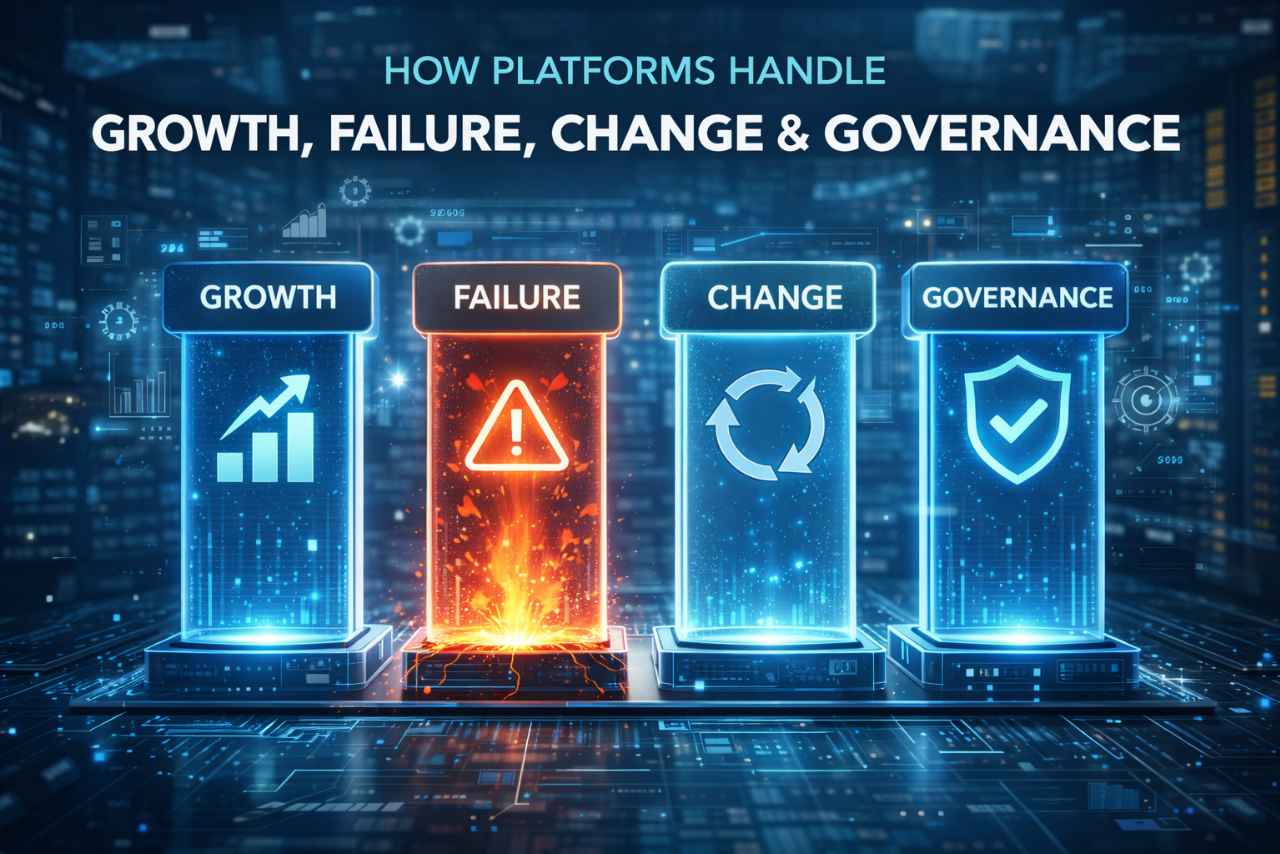
That includes how platforms handle growth, failure, change and governance, as well as how they support future initiatives around data, AI and automation.
The goal is a platform that enables change, rather than becoming the thing that slows it down.
Our Cloud & Platform Engineering approach is pragmatic, Microsoft-aligned and focused on long-term delivery rather than one-off builds.
We design cloud and hybrid platforms with Microsoft Azure as the primary reference point, considering wider environments where relevant.
Designs are grounded in real workloads, operational needs and governance requirements.
We establish clear, secure identity and access foundations that support usability as well as control.
That includes structuring access in a way that scales with teams, partners and services without becoming unmanageable.
We define consistent patterns for environments, subscriptions and resource structure.
This reduces drift, simplifies support and makes platforms easier to understand and operate across teams.
We implement automation for infrastructure provisioning, configuration and change where it improves reliability and repeatability. That includes infrastructure as code, pipelines and configuration management as implementation details… not the headline.
We design integration and connectivity patterns, resilience approaches and operational controls that support stable delivery.
That includes scalability, recovery considerations, monitoring foundations and governance structures that don’t block progress.
How does platform engineering help organisations scale?
By automating infrastructure and using cloud-native services, organisations can scale systems up or down quickly as demand changes.
What role does monitoring play in cloud platforms?
Monitoring provides visibility into system performance, usage and potential failures. It allows organisations to detect issues early and maintain reliable services.
How does platform engineering support DevOps?
Platform engineering provides the automated environments, pipelines and governance structures that allow development teams to deploy changes quickly whilst maintaining quality.
Why do organisations need a strong cloud platform foundation?
Without a well-designed platform, systems can become difficult to manage, expensive to operate and vulnerable to outages. A strong platform foundation ensures systems remain stable, scalable and secure.
What is cloud platform engineering?
Cloud platform engineering focuses on designing and operating the infrastructure that supports applications and services in the cloud. This includes automation, governance, integration and resilience.
Why do cloud environments become difficult to manage?
Without clear governance and automation, cloud environments can grow organically. This leads to inconsistent configurations, rising costs and operational complexity.
Why do cloud costs sometimes increase unexpectedly?
Cloud services scale quickly, which is powerful but can also lead to uncontrolled usage. Monitoring, automation and governance help organisations maintain predictable costs.
Why do some cloud platforms still experience outages or instability?
Cloud platforms are resilient when designed correctly. Instability often occurs when systems rely on single points of failure or lack proper monitoring and recovery planning.
Air Partner called in FormusPro and, after analysing their data requirements, we implemented automated, bi-directional data flow synchronisations between systems.
Years
Contacts From FormusPro’s CE Support Clients
To find out about how we create systems around the Microsoft D365 platform or to ask us about the specific industry focused digital management systems we create, get in touch.
Tel: 01432 345191
A quick call might be all you need, but just in case it isn’t, we’re happy to go a step further by popping by to see you.
We travel all over the UK.
Just ask.